
Primo

Risotto di Asparagi Selvatici

If you want to learn how to cook with our family, come visit us in Tuscany!

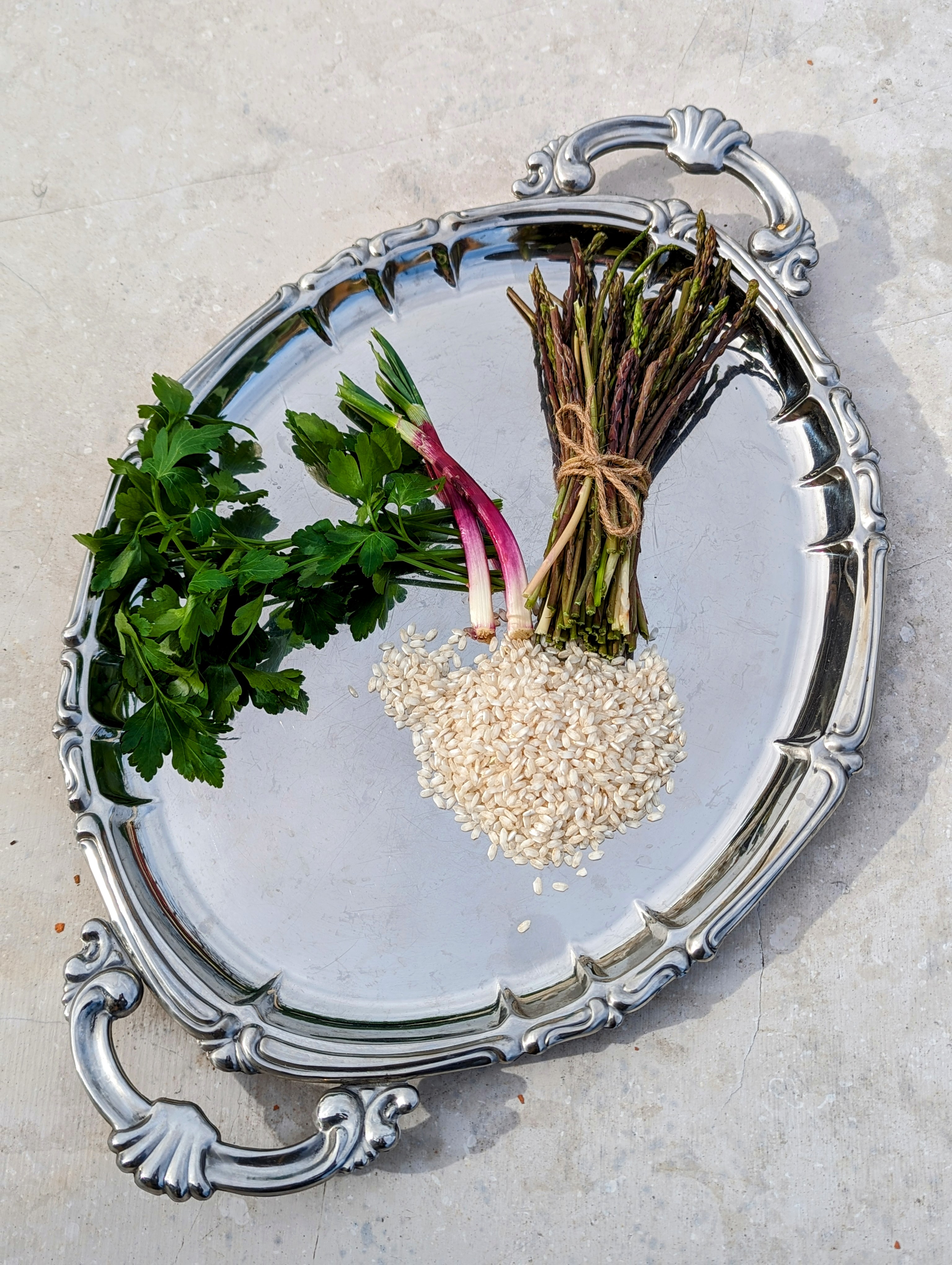
Ingredients for 4 people:

  • 200 grams wild asparagus
  • 2 shallots (small)
  • Four hands full arborio rice
  • 2 tablespoons Parmigiano-Reggiano
  • 1 tablespoon butter
  • 1.5 liters vegetable broth
  • 3 tablespoons extra virgin olive oil 
  • Pinch of salt
  • Pepper

Risotto ingredients

What you need:

  • Pan with a bottom for even cooking
  • Small pot for vegetable broth
  • Ladle (we use the perforated risotto ladle, available here)
  • Cutting board
  • Knife
  • Spoon
  • Cupped ladle

Before You Begin:

  1. Fill the small pot halfway with water. This water will be used for the vegetable broth.
  2. Add the discarded asparagus and shallots to the pot.
  3. Bring it to a boil for a few minutes.
  4. Use the vegetable broth when cooking the risotto.
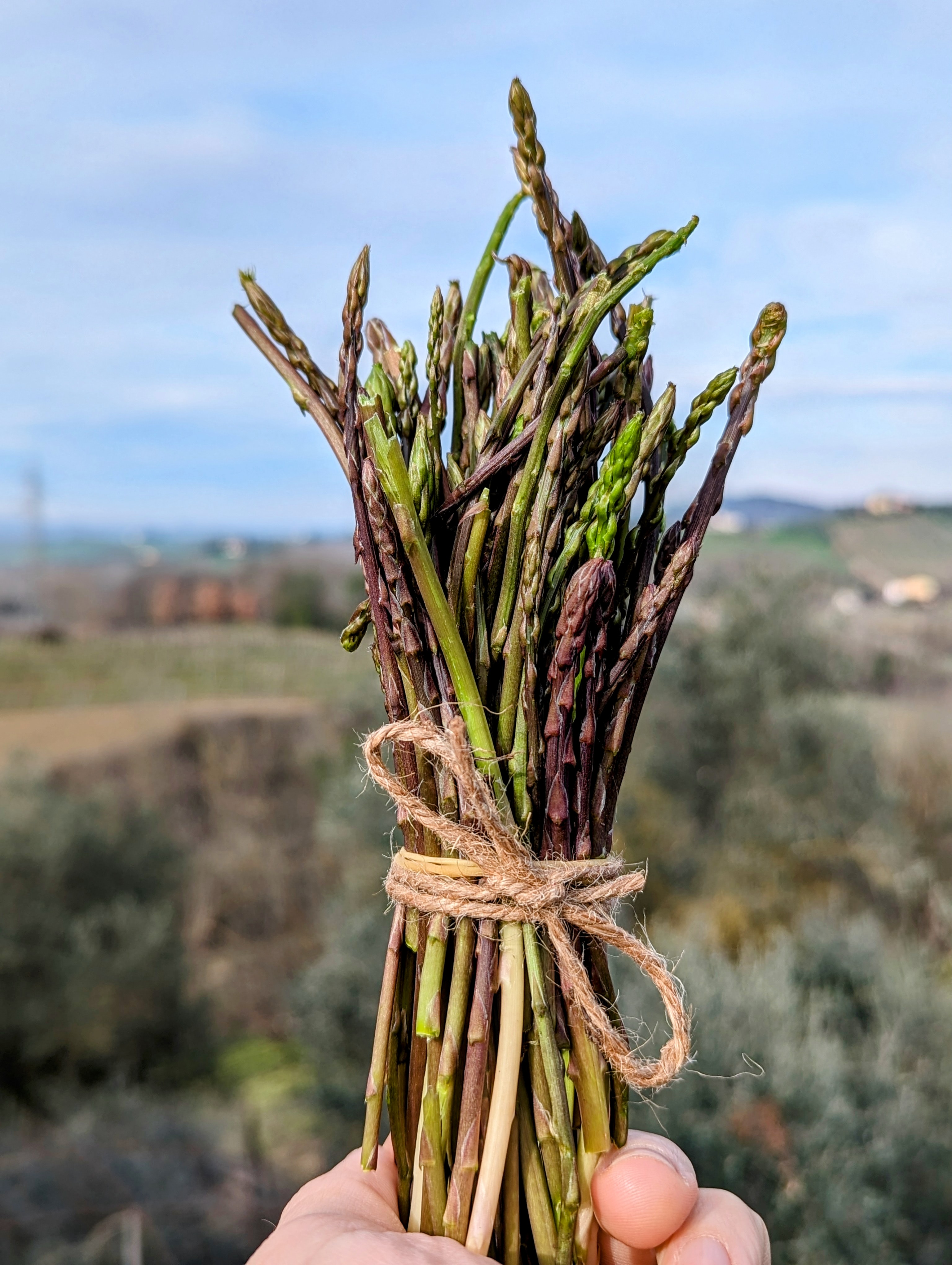


Asparagus

Method for Asparagus Sauce:

  1. On a cutting board, finely chop the shallot in the tender part and put it in a pan at room temperature. Add extra virgin olive oil (2 tablespoons) and a pinch of salt to the pan.
  2. Next, separate the asparagus from the woody base, using only the tender part. To separate the two parts, apply light pressure starting at the base and moving towards the tip until the asparagus breaks in half at its tender point.
  3. Set aside the woody part of the asparagus for the vegetable broth. Cut the asparagus into slices, leaving the tips intact for decorative purposes.
  4. Sauté the shallot for a few seconds and add the asparagus to the pan. If necessary, add vegetable broth to the pan.
  5. Cook the asparagus for 4-5 minutes until it is tender.
  6. Taste the asparagus to ensure it is cooked to your liking. Season with salt and pepper.
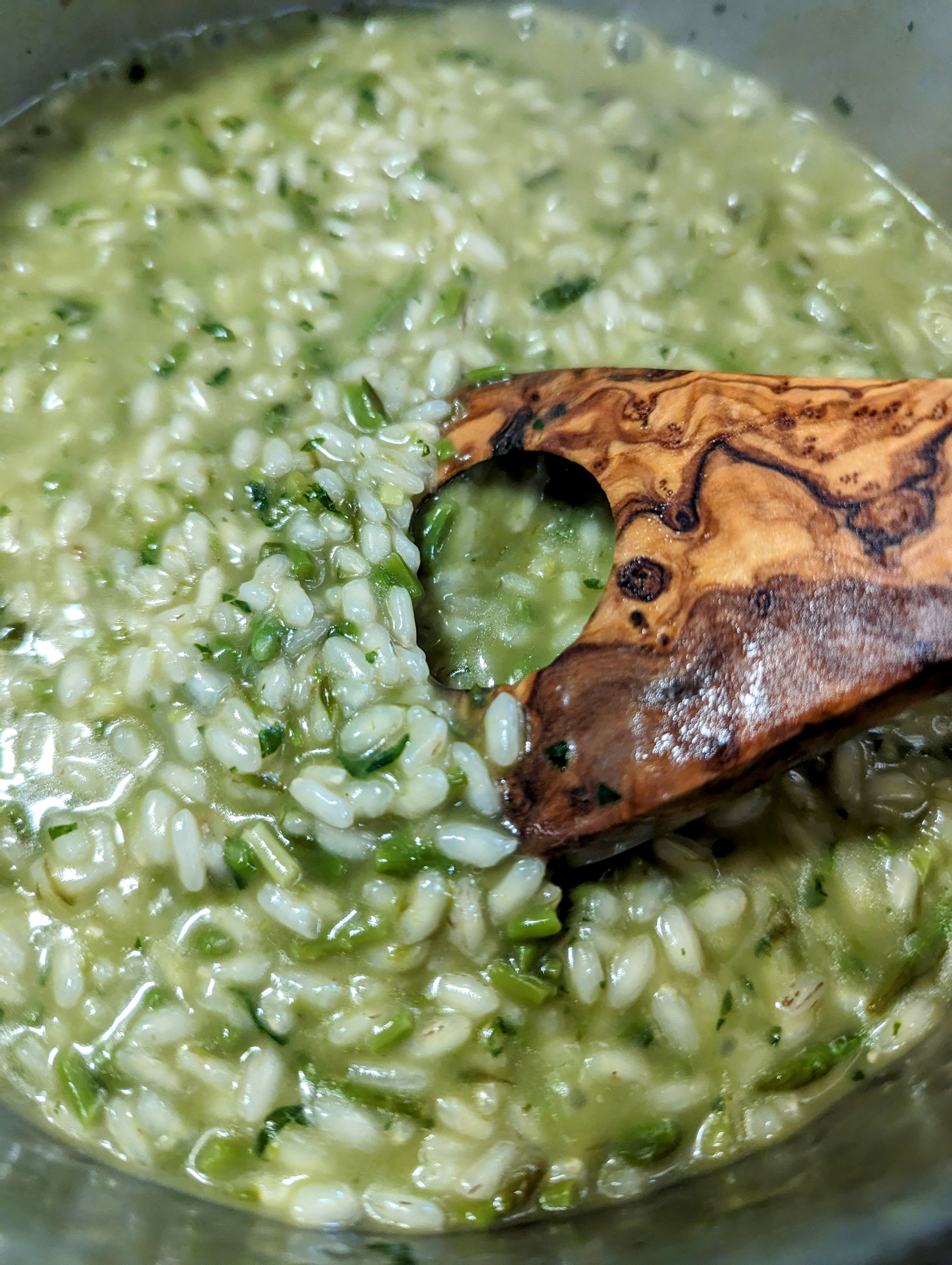
Method for Risotto

  1. Take another pan and add rice and a tablespoon of oil to it. Turn the heat to medium and toast the rice slightly.
  2. Stir the rice in the pan, ensuring it does not burn, to achieve an al dente and well-cooked risotto. When the rice grains have developed a glossy appearance and the white core has disappeared, it is ready to begin cooking.
  3. Begin by adding vegetable broth, followed by the asparagus sauce. Allow the mixture to simmer for approximately 20 minutes, adding broth as needed to prevent it from drying out.
  4. Once the risotto is fully cooked, incorporate cream, turn off the heat, and add butter and Parmesan cheese. Stir the risotto thoroughly to ensure even distribution of the ingredients. Allow the risotto to rest for a minute before serving.

Note: Plate the risotto on a deep plate and garnish with a small portion of asparagus.
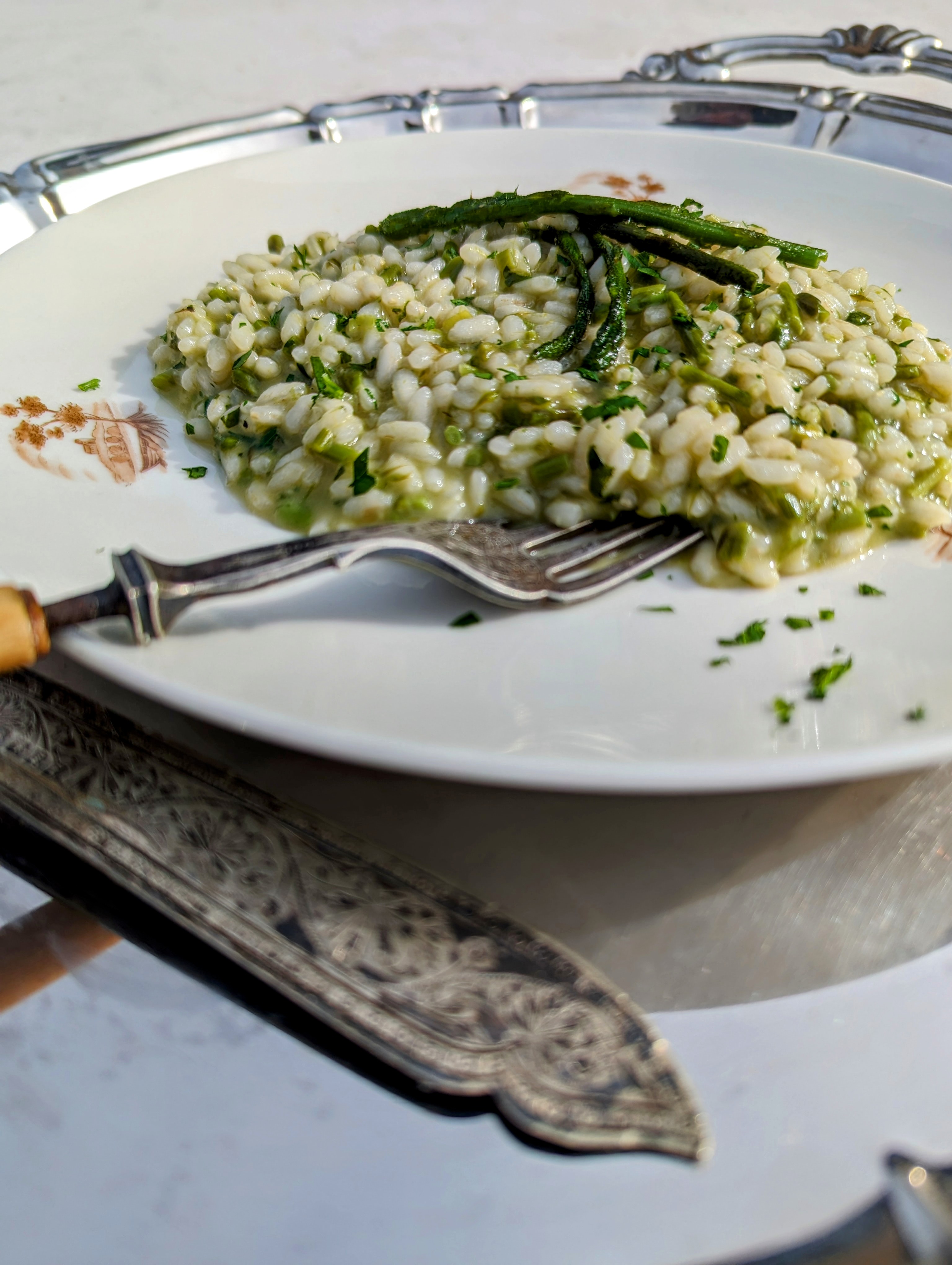
asparagus risottoMore photos of the risotto on our Instagram page

Pici al Ragu

Ingredients for 4 people:

Pasta:

  • 200g four 00 type pasta
  • 100g water or 2 large eggs
  • 2 tablespoons olive oil and 1 pinch of salt

Sauce:

  • 400g ground beef
  • 2 pork sausages
  • Half red onion
  • 1 sprig parsley
  • 2 cloves of garlic
  • 1 celery stalk
  • 1 small carrot
  • 2 bay leaves
  • 6 tablespoons olive oil
  • 1 bottle tomato sauce
  • 3 pinches of salt, black pepper
  • Half glass of red wine

What you need:

  • 1 pot for cooking pasta
  • 1 pot for cooking the meat sauce
  • 1 board for kneading pasta
  • 1 cutting board
  • 1 Knife

Method for the meat:

  1. Begin by chopping all the vegetables, excluding the bay leaves. You can mince them finely or coarsely, depending on your preference. The same applies to the ground meat; some people prefer a fine meat sauce, while others prefer larger chunks of meat. I usually ask the butcher to grind the beef to a medium consistency.
  2. Once the vegetables are prepared, heat four tablespoons of olive oil in a pot and brown the ground meat, including beef and pork sausage.
  3. As the meat begins to stick and the moisture evaporates, add the wine and let it reduce. This process will create a nice color and aroma for the meat. Once the wine has reduced, add the chopped vegetables and bay leaves. Allow the mixture to simmer until the onions become translucent.
  4. At this point, the meat should be well-roasted, and all the herbs and vegetables should be cooked. Add the tomato sauce and let it simmer for at least five minutes on high heat. Then, reduce the heat and let it simmer with a lid for one hour. During this step, you can add water if the sauce appears too dry. This is also the best time to taste and adjust the seasoning with salt and black pepper.

Method for the pici:

  1. Combine flour, water, and olive oil (or eggs) until the dough becomes elastic. Allow it to rest for 15 minutes under a cloth. Then, roll out the dough to create the tick spaghetti PICI using your hands or a pasta machine attachment
  2. Cook the pici for three minutes in salted water, then cook an additional two minutes in the sauce. BUON APPETITO!

THE PERFECT POUR: CHIANTI RISERVA

When you’re serving a meal that’s truly special, the wine is just as important. To balance the richness of the beef and the heartiness of the potatoes, you need a wine that has both structure and character.

I chose our Chianti Riserva from the shop specifically for this kind of pairing. It has those timeless flavors of dried cherries and earth, with smooth taste that pairs beautifully with the savory notes of the ragù. It’s not just a meal; it’s like having a taste of Tuscany right in your own home.

[Shop the Chianti Riserva Here]

Gnocchi

Ingredients:

  • 1 kilogram of yellow-skinned potatoes
  • 200 grams of type 00 soft wheat flour
  • 1 egg
  • 2 pinches of salt
  • Nutmeg
  • Parmigiano-Reggiano

What you need:

  • Pastry board
  • Fork or rigagnocchi
  • Basin
  • Pot for cooking

Note: In this recipe, we do not need to use a lot of flour, as we want to preserve the flavor of the potatoes.

Method:

  1. Boil the potatoes with their skins on (35-40 minutes). If possible, use steam to prevent them from becoming waterlogged.
  2. Test if the potatoes are cooked by inserting a wooden skewer into them. If it goes in easily, they are done. If there is resistance, cook them for an additional 5 minutes.
  3. Once cooked, peel the potatoes and cut them in half to allow steam to escape. Mash them using a potato masher in a bowl.
  4. Place water in a saucepan and heat it on the stove. Once the gnocchi dough is prepared, we should test its consistency by baking a dumpling in boiling water.
  5. Add an egg to the bowl containing the potatoes, excluding all the salt and flour. Mix thoroughly to create a uniform paste.
  6. Take a small portion of dough and roll it on a pastry board. Cut the elongated dough into small sections, shape them with your hands to form balls, and use a rigagnocchi or fork to give them the characteristic dumpling shape.
  7. Try placing a dumpling in the pan in boiling water. If it returns to the surface intact, the dough has the appropriate proportion of flour. If it crumbles and breaks, add a little flour to the dough and try again. Remember not to wait too long during processing, as the potatoes’ humidity will absorb the flour, necessitating continuous addition to maintain the desired texture and flavor.

Note: I recommend immediately eating the gnocchi to ensure optimal consistency. While they are delicate, they are also delicious.


The Secret to the Perfect Plate

These pillowy potato gnocchi are exceptional on their own, but they truly shine when paired with a slow-simmered, soulful sauce. To elevate your Sunday dinner, I highly suggest tossing them with Signature Tuscan Ragù.

Upon visiting the recipe, you may notice that I have paired the ragù with Pici (thick, hand-rolled noodles from Siena). However, do not be deterred! In Italy, a great ragù is like a black dress—it complements any dish. The rich, meaty texture of the sauce adheres beautifully to the ridges of the gnocchi, creating a comforting bite.

The Perfect Pour: Chianti Riserva

A world-class meal requires a world-class wine. To balance the richness of the beef and the starchiness of the potatoes, you need a wine with structure and soul.

I personally selected our Chianti Riserva from the shop for this specific pairing. It possesses classic notes of dried cherries and earth, complemented by its tartness that works perfectly with the savory taste of the ragù. It is more than just dinner, it offers a complete Tuscan experience within your kitchen.

[Shop the Chianti Riserva Here] | [Get the Ragù Recipe Here]