#farmer

La Sportellina – a Tuscan traditional Easter cake

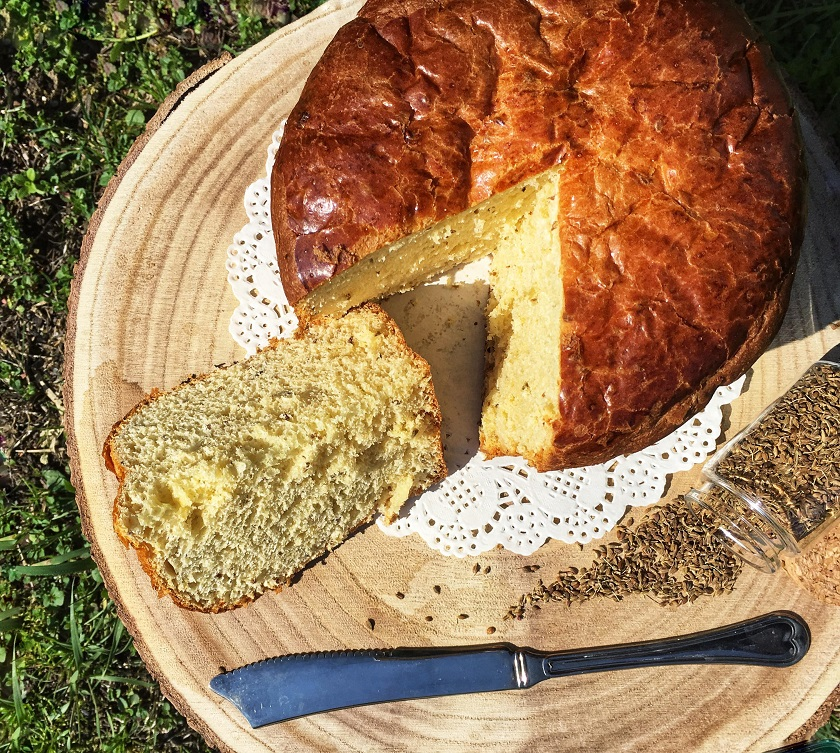
In Tuscany, we have a unique sweet tradition called “la Sportellina” or “schiacciata di Pasqua” (literally, the Easter squashed bread). It may sound funny for a cake that doesn’t look squashed at all, but the name actually comes from the large number of eggs that need to be cracked (squashed) into the batter.

The countryside Easter traditions

During the old days, Lent was a time of fasting and repentance, so people relied on homemade products. This was a common and deeply religious tradition, especially in the countryside. Most peasant families’ meals consisted of soups, polenta, vegetables from their own farm, or homemade bread and freshly picked herbs. Occasionally, adding a pilchard in oil was a special treat that not everyone could afford. So, it’s no wonder that on Easter, people indulged in abundant dishes and plenty of meat, generously accompanied by a glass or two of good wine!

Food preparations typically began during Holy Week before Easter. Everything had to be produced in large quantities to be shared with families and neighbors as a symbol of gratitude and celebration.

As a child, I remember a lively atmosphere in our town. People would go up and down the alleys from early morning until sunset. I could sense Easter approaching just by catching a whiff of the air. Suddenly, I was enveloped in the delightful aroma of aniseed and freshly baked cake, coming from the town’s wood-fired oven. Back then, household appliances were rare, and not everyone could afford an oven. So, during the Easter rush, when women prepared numerous oven-baked goods, they would rush up and down the main street with their kneaded doughs, waiting for their turn to use the town’s oven. Imagine the oven working tirelessly day and night, baking hundreds of pans of traditional delicacies, which they would then take back home. The smell that filled the air back then was simply amazing!
tuscan-traditional-easter-cake

The origins of Sportellina cake

The connection between ancient traditions and nature is always interesting, as nothing is random. At the beginning of spring, hens laid more eggs than usual, which had to be consumed quickly due to the lack of modern storage methods. Therefore, this Easter cake, like many other seasonal cakes and dishes, was a good way to use up a significant number of eggs.

As I mentioned, our mother and grandmothers prepared this traditional cake in large quantities during Holy Week. The recipe required considerable effort and patience, given the lengthy rising and baking times. Imagine kneading and allowing the dough to rise repeatedly for at least five times before baking! This meticulous process was another reason for making the cake in large quantities. Some pieces were wrapped and given to family guests and neighbors, others were offered to the church for serving after Holy Mass on Easter Day, and a few were left for breakfast the following day.

In our fast-paced modern world, it’s challenging to imagine the time and effort required for such a lengthy and delicate preparation. Fortunately, you can easily find it at the supermarket. However, there’s something special about the experience of dipping your hands into the dough and kneading it. It’s a moment of peace and reflection, allowing your thoughts to flow freely. The sweet aroma of aniseed and mint liqueur fills your nostrils, transporting you back to your childhood. Regardless of the time it takes, the reward is immense when you see that precious piece of dough rise and turn golden brown, a testament to your dedication to preserving the tradition.


The Sportellina Recipe:

  • 1.5 kg 00 flour
  • 50 g brewer’s yeast
  • 150 ml milk
  • 7 eggs (plus 1 for brushing the surface)
  • 450 g sugar
  • 110 g extra virgin olive oil
  • 50 grams of butter
  • 50 grams of mint liqueur
  • 50 grams of maraschino
  • 15 grams of aniseed
  • 1 orange (zest and juice)


Method:

  1. First, dissolve the brewer’s yeast in the warm milk. Gradually add about 300-400 grams of flour and mix until well incorporated. Knead the dough into a ball and let it rest in a bowl for about 2 hours.
  2. After two hours, mix in 3 eggs, 150 grams of sugar, 40 grams of olive oil, and another 400 grams of flour. Let it rest again in a warm place until it doubles in volume (this time, it will take about three hours).
  3. For the third step, add in 2 eggs, 150 grams of sugar, 40 grams of olive oil, 25 grams of mint liqueur, 25 grams of maraschino, and another 400 grams of flour. Knead the dough again until all ingredients are well combined and let it rest for another 3 hours.
  4. Finally, mix in the remaining ingredients and knead the dough for a while. Then, let it rest for another 3 hours. Divide the batter into three equal parts and place them in the baking molds (we use the same molds as for Panettone). Cover the molds with a warm cloth and let them rise for 4-5 hours, or until they double in volume.
  5. Brush the top of the cakes with beaten egg and bake them in a preheated oven at 180°C for about 50 minutes, or until the surface turns brown. Let them cool in the oven for 10 more minutes before removing them.


(Note) You can store the cakes in a plastic bag in a cool, dry place for up to one week. This way, you can bake more pieces and offer them as an Easter gift to family and friends, or enjoy them as a delicious breakfast for a whole week! Enjoy!

tuscan-traditional-easter-cake-buona-pasqua

L’Olio Novo

The Tuscan Green Gold, from the farm to the fork!

Autumn isn’t just about roasting chestnuts and sipping red wine by the fireplace. There’s hardly any time to relax when you’re living in the Tuscan countryside. Therefore, between the golden autumn leaves and the first winter chill, as soon as we’re done with the vine harvest, we have to get our strength back and be ready for a new adventure: the olive harvest.

Like every other year, we start picking olives on our farm around mid-October, just before the first chills of November. Back in the day, they used to wait for the olives to be fully mature before harvesting. But the weather wasn’t always kind to crops in late autumn, so to protect them from the early frosts, people have traditionally developed the custom we all know today: harvesting olives earlier, even before they are fully ripe.

This tradition has become an essential part of our territory’s reputation worldwide, for it has given us a unique product of excellence: “l’olio novo” toscano (the freshly pressed Tuscan extravirgin olive oil). Unique because the chemical and organoleptic characteristics of the PDO extravirgin olive oil are mostly related to the climate of the growth area, which directly influences the quality of the phenols, the bitterness, and the sharpness of the taste.

The Harvest

Harvesting olives before they’re fully ripe means they still have a high level of polyphenols. Unfortunately, this means we get less product, but it’s exactly what we need to achieve that perfect balance of intense bitterness and peppery flavor, which is so characteristic of Tuscan extra virgin olive oil. However, the final taste of each batch also depends on many other factors, so it’s almost impossible to have two different productions with the same taste, even in the same area.

As we always do on our farm, harvesting olives is a group activity. Farming is a physically demanding job, and any extra help is always appreciated. Traditionally, during the olive harvest, close relatives, friends, or neighbors from nearby farms come together to lend a hand and spend some fun days outdoors, enjoying the stunning views of the Tuscan hills. Everyone participates in the process, and seeing the product go from the olive grove to the table is really exciting for everyone.

The day begins very early in the morning, with rubber boots, comfortable clothes, and tools of the trade, we head to our small olive grove and start picking up the little green-purple gems. What we love most is that our family still keeps the tradition alive from past generations, and a day of hard work on the farm can easily turn into a celebration. We love to bring back the old-fashioned charm of country living, just like our grandparents used to: understanding the importance of this moment, giving thanks for nature’s abundance, and sharing the sweat, laughter, food, and wine until the work is done! My grandfathers used to tell me about their harvest gatherings, describing those moments as the most important in a farmer’s life, for socializing and opening up with others about everyday life, by sharing the labor and the table.

Finally, the new oil

Our day of harvesting olives ends only after the sun sets, always following nature’s rhythm. Depending on how big the olive grove is, it might take anywhere from a day to a whole week to finish. So, we store the harvested pods in plastic boxes or on the cool, well-ventilated floor until we can take them to the mill for pressing, but usually not longer than 48 hours.

There are many mills around here. We take our harvest to a very old mill nearby that uses the traditional “cold pressing” method to get the best extra virgin olive oil. First, we wash the olives in cold water to remove as many leaves as possible. Then, we crush them together with a giant millstone and store them in stainless steel tins.

This is what we actually call “l’olio novo” (the new oil) here in Tuscany! It’s the freshly squeezed, unstrained, and unprocessed extra virgin olive oil that we all love. It’s the main ingredient in all our traditional dishes and is recommended worldwide for its well-known health benefits. We use it in our kitchens every day: drizzled fresh over a salad, cooked in most dishes, sometimes as a healthy substitute for butter in cakes, and even in the pan for a healthier fry. However, when it comes to the fruity; peppery; pungent freshly squeezed olive oil, the first thing that comes to mind is “la fettunta” (the greasy slice). This is Tuscany’s traditional, healthiest, and simplest dish ever, and the best way to enjoy the amazing flavor of “the new oil.”

As soon as we bring the “green gold” back home, we just can’t help but drizzle it on a piece of Tuscan toasted white bread (unsalted). Just like that, nothing else added, no other confusing ingredients, just our own special extra virgin olive oil… and this is when we realize that all the sweat and hard work was all worth it!

V – for Vineyards

“While Nature Awakens” – behind the scenes

Every January is a fresh start here at Giuseppina’s Cooking School; as nature stirs, we get ready for a new year brimming with fantastic recipes, delicious homemade preserves, and exquisite Chianti wine straight from our vineyards.

The air is buzzing with excitement here, and as Giuseppina gets ready to welcome and delight her guests this season with new kitchen tricks and tips on her Tuscan recipes, we’re about to start preparing our vineyards for a fantastic harvest year of fresh, wonderful wine that will perfectly complement our local dishes.

Harvest is just the final act of a long year

Since nature can’t wait, the perfect moment has arrived for us to tend to our vines, ensuring they give us their best rewards. It’s a moment of deep devotion, focusing on the vine’s new vegetative growth, just as we would with one of our homemade pasta dishes or bread. We begin by “kneading” the soil just enough to allow it to breathe after a long, cold winter. Then, we add the “spices” (winter fertilizer) that will help the vine’s heart grow its best harvest, giving the wine that perfect blend of flavors that makes Chianti wine famous and loved worldwide. Now, we’re almost done, and we start trimming the vine, restoring its shape. It’s probably the most important part of the work because a clean-shaped vine means a richer harvest. As an old saying goes, once a vine told its owner:

fammi povera e ti farò ricco

(Keep me poor -of unwanted trims- and I will make you rich -of the best grapes-).

The vine is a symbol of abundance, representing love for the land in the form of grapes. To create the best wine, it requires a deep passion and unwavering perseverance, fully utilizing the incredible qualities that Chianti’s land offers.

The wine harvest and tasting are the culmination of a year of dedicated effort and care, which we’re excited to share with our guests. We aim to take them beyond the typical tourist spots, beyond just a simple wine tasting or a casual visit to the vineyards, offering them a genuine experience of growing Chianti vines and becoming part of the story.

We’re here to provide them with the authentic experience of Chianti vine cultivation, making them an integral part of the journey.

modif.1